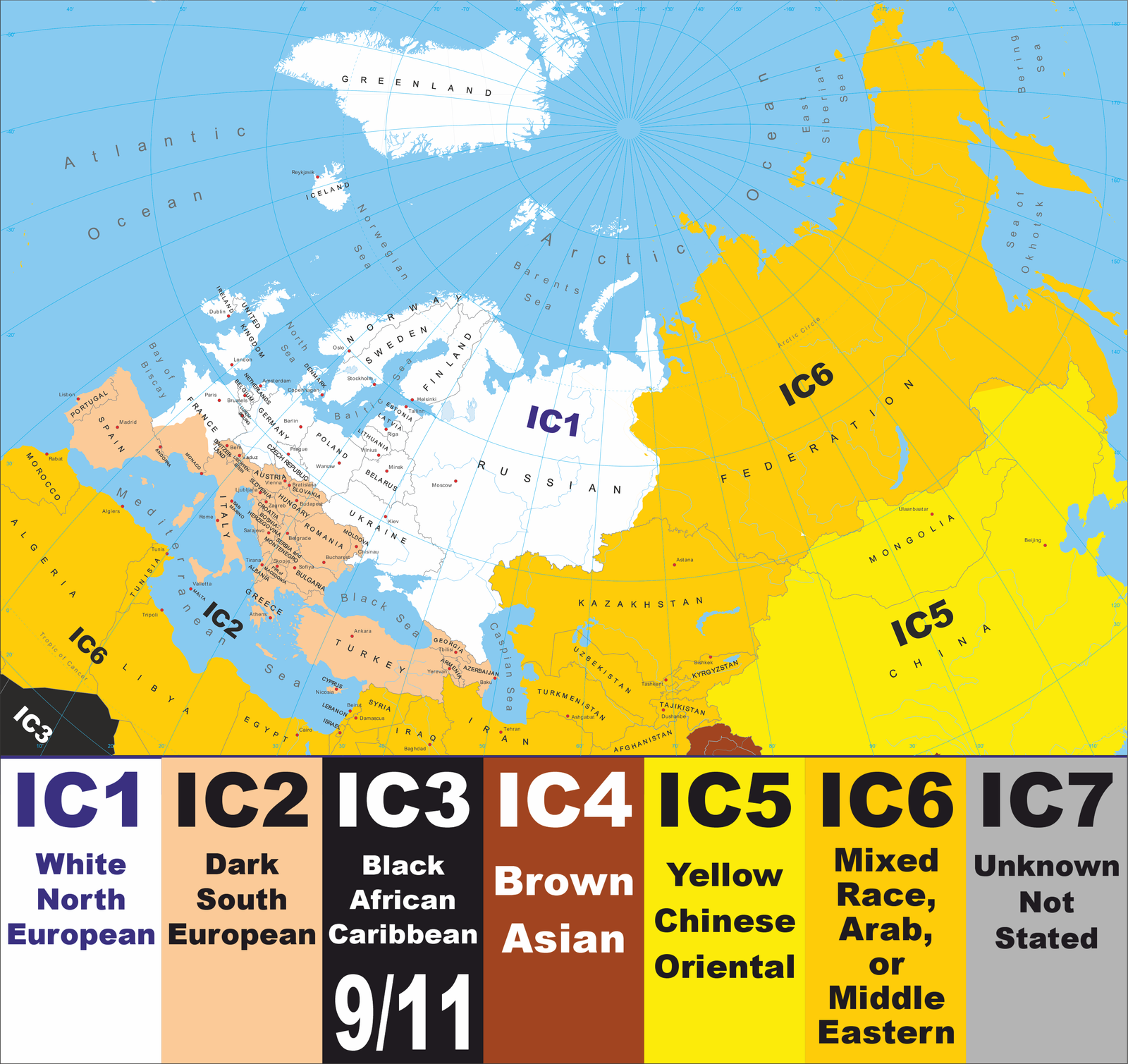
RACIAL IDENTITY
Racial identity is treated as a structured question rather than a single label. The system allows several aspects of identity to be considered independently.
THE SYSTEM
Racial Security is an organised system through which people can examine racial identity, communicate, organise and develop methods of protecting themselves while cooperating with other racial divisions on matters of mutual protection.
Race is a protected characteristic under United Kingdom law.
Racial Security therefore proceeds on the principle that the protection of racial identity is, directly or indirectly, an aspect of national security.
A nation has an identity just as an individual has an identity. If an individual loses their identity, something fundamental about that person has been lost. If a nation loses its identity, an equally fundamental question arises about what that nation is, who constitutes it, and what identity is being protected and transmitted to future generations.
Racial Security examines race as one component of that wider question.
The fact that race receives specific legal protection demonstrates that racial identity and racial relations are matters recognised by the state as requiring protection. Racial Security asks what follows from that recognition when the issue is considered at the level of communities, society and the nation itself.
This is a proposition of the Racial Security Project. It is not a proposition that participants are required to accept. People are expressly free to challenge it.
The Racial Security discussion rooms exist precisely so that propositions concerning race, racial identity, racial protection and their relationship with national security can be examined, supported, opposed, criticised and debated.
Each racial division is provided with space to discuss its own circumstances, interests, vulnerabilities, organisation and approaches to racial security.
The system also provides common spaces where participants from different racial divisions can communicate, cooperate and consider issues affecting more than one community.
The system also provides common spaces where participants from different racial divisions can communicate, cooperate and consider issues affecting national security.
The system also provides common spaces where participants from different racial divisions can communicate, cooperate and consider issues affecting the racial security of the nation.
Racial identity is treated as a structured question rather than a single label. The system allows several aspects of identity to be considered independently.
Public browsing is open. A Racial Security participant ID is required when a person wishes to post, reply or take part in organised system activity.
Self-declared identity and verified identity are not the same thing. Verification therefore operates as a separate status rather than preventing ordinary participation.
Participants can organise within racial divisions and through common working groups while maintaining the distinction between divisional and shared activity.
Visitors do not need to create an identity merely to read public discussions, notices, documents or other publicly available material.
When a visitor wishes to participate, the system creates a persistent RS participant ID. The participant may use the ID publicly without publishing a legal name.
The system is designed around the principle of collecting only the information necessary for its functions. Public participation information and confidential verification information are separated wherever practicable.